Bees choose sheds for the same reasons we do, they are dry, sheltered, and usually quiet. A small knot hole near the roofline or a gap under the siding creates a perfect entrance. Add a warm cavity, the scent of old lumber, and spring nectar flow, and a scout will pitch the place to her colony. If you are seeing steady traffic at one corner of your shed, or a basketball sized swarm hanging from an eave, you are dealing with a living, growing superorganism that requires judgment, not brute force.
Humane bee removal preserves pollinators while protecting your structure. It also prevents the sticky, expensive problems that follow hasty attempts to get rid of bees with sprays. I have cut open walls that hid 60 pounds of honey, discovered wires browned by cluster heat, and cleaned infestations of ants and roaches that moved in after someone poisoned a hive and left the honeycomb to rot. Good outcomes start with accurate identification, a realistic plan, and the right team.
First, know what you are looking at
Not all stinging insects are honey bees, and the species matters for both ethics and success.
Honey bees form perennial colonies, build comb from wax, and store honey. Workers are hairy, with slender legs and golden brown banding. Flight is steady, and traffic appears like an airport approach. You will see pollen baskets on rear legs and a distinct lemony-waxy smell near the entrance once the colony matures. They prefer cavities behind siding, inside wall voids, soffits, and roof framing. Removal focuses on live bee relocation and honeycomb extraction.
Bumblebees are larger and fuzzier. They nest in insulation, abandoned mouse nests, or under floors. Colonies are seasonal and smaller, often under a few hundred bees. Many professionals will relocate a bumble nest if accessible, otherwise we simply recommend barriers and patience until late fall when the colony dies out.
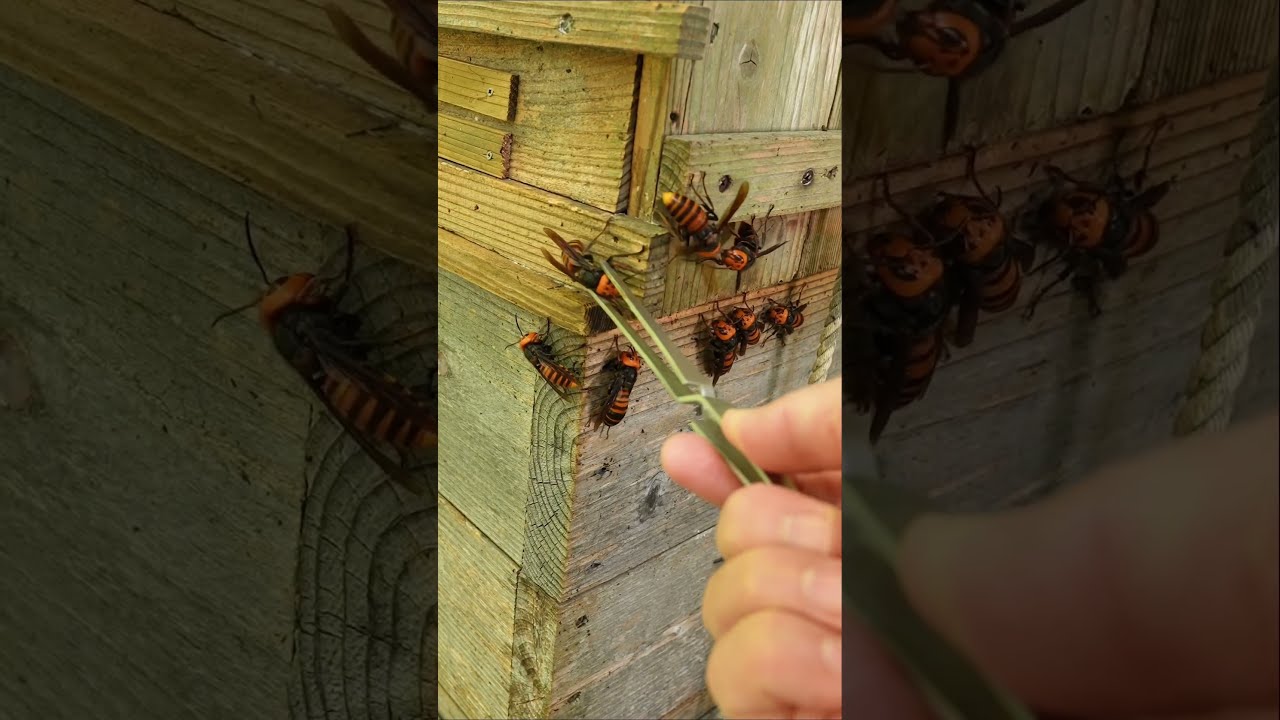
Yellowjackets and hornets are wasps, not bees. They chew paper nests, are hairless with bright contrast stripes, and are more aggressive near the entrance. You often see them hunting rather than collecting pollen. Their nests may hang as gray paper balls or sit underground. Wasps require a different approach, typically handled by a pest control company rather than a bee relocation service.

Carpenter bees drill perfect round holes in fascia and trim. They are solitary, hover near openings, and rarely sting. Treat the wood issues and paint, not call for a bee hive removal.
If you are unsure, take a clear photo from a safe distance and send it to a local bee removal service. Many of us offer a quick text-based ID within minutes. Correct identification shapes the plan, the timing, and the cost.
Swarm or established colony
Swarm season arrives with warm weather, commonly April through June in many regions, earlier in the south and later in cooler climates. A swarm is a temporary cluster of bees that left an overcrowded hive with their queen to find a new cavity. They may land on your shed, a fence post, or a tree branch. Swarms look alarming but are usually gentle, because they are loaded with honey and have no home to defend. Most depart within 24 to 72 hours once scouts agree on a site.
An established colony is different. You will see bees entering a specific crack, a growing arc of flight in front of that spot, and sometimes brown staining under the entrance from propolis or honey drips. At night, place your hand gently on the interior wall and you may feel warmth or a faint vibration. Once comb is built, the colony invests in the location, and removal becomes a structured project that includes bee extraction, honeycomb removal, and sealing.
Safety rules that do not bend
Everything goes smoother when safety is habit. There are a few hard lines that protect people, pets, and the bees.
- Do not spray insecticides, foams, or homemade mixtures into a suspected honey bee colony. You will not reach the queen, but you will contaminate honey, trigger defensive behavior, and create a cleanup problem that costs more than live bee removal. Do not plug the entrance without removing the bees and comb. Bees will find a new path into the shed, or die inside and attract pests. Honey can ferment, leak, and stain framing. Keep children and pets inside while you assess. If anyone in the home has a known allergy or lacks an epinephrine auto-injector, treat the situation as urgent and engage a professional bee removal service immediately. Do not climb a ladder in a bee suit if you are not practiced. Veils can limit vision, gloves blunt your grip, and shed roofs are often slick with algae. A fall causes more harm than a few stings.
If a swarm is hanging on your shed right now
Swarms are the easiest events to resolve, provided you act reasonably soon. Time matters because once they move into the wall void, everything becomes more involved. When I receive a call for same day bee removal during swarm season, here is how we approach it.
- Confirm it is a swarm, a big grape to beachball sized cluster, no bees streaming into a crack. Choose a simple capture method. For a branch or shed edge within reach, place a ventilated box or nucleus hive under the cluster and give the branch a firm shake. If they are on a wall, gently brush or scoop bees into the box. The goal is to collect the queen so the rest follow. Position the box opening near the original cluster point and wait. Fanning behavior at the entrance, abdomens raised and wings buzzing, signals the queen is inside. Most of the swarm will march in within an hour. Leave the box until dusk so stragglers can join, then secure the lid and transport to a prepared yard where the colony can be rehomed safely.
If you are not set up with protective gear and a ventilated bee box, call a live bee removal or bee rescue service. Many of us offer quick bee swarm removal at affordable rates, often lower than wall cutouts, and some keepers do it at no charge in exchange for the bees. Search for bee removal near me, ask about same day bee removal, and specify you have a swarm, not an established hive.
Established colonies in sheds, walls, and soffits
Once comb is present, your shed is not just harboring bees, it is storing honey. A healthy spring colony can draw and fill 3 to 5 pounds of comb in a week, depending on nectar flow. I have removed 10 to 80 pounds in backyard sheds, and on one barn job the stack tipped over 120 pounds. Honey exerts pressure on drywall and panel joints and will seek gravity when the colony dies or overheats. That is why professional bee removal is more than just relocating bees. It is structural work combined with bee husbandry.
There are three common removal strategies, chosen based on access and risk.
A cutout removes siding or interior paneling to reach the cavity, vacuums bees with a gentle bee extraction system, cuts out brood and honeycomb, and mounts brood comb into frames so nurse bees can continue care. We repair, seal, and sometimes paint. Cutouts are most definitive because they eliminate attraction odors and allow full hive relocation.
A trap-out uses a one way cone over the entrance and places a hive box nearby. Foragers exit and cannot reenter, then adopt the box. The queen, brood, and young bees remain inside until they emerge and depart. Trap-outs avoid demolition but take several weeks and can fail if there are hidden secondary entrances. They are not ideal in hot weather when honey may slump and leak inside.
A partial removal or transfer is used when the colony built on exposed rafters or behind a loose panel that can be opened cleanly. We physically move comb into frames, brush or vacuum bees, then replace the panel. This works best in small sheds without finished walls.
Each method has trade-offs. A trap-out reduces cutting but risks honey left behind. A cutout is efficient but requires carpentry and cleanup skills. Experienced bee removal specialists will walk you through options, including temporary hive placement for drift reduction and contingencies if rain or heat spikes during the work.
What a professional bee removal service actually does
Good operators run a process. The first step is an inspection, either on-site or via good photos. We ask about timelines, recent spray attempts, and access details. We look for entrance points, estimate comb age by staining and bee traffic, and check for power lines or buried utilities near the shed.
On the day of removal, we stage parking, set up veils and suits, test the bee vacuum, prepare food-grade buckets for honey, and line plastic sheeting to keep tools clean. If we are doing a cutout, we score siding or interior sheathing to create a controlled opening. We proceed slowly, removing outer layers of comb first. Brood comb is rubber banded into wooden frames so nurse bees can continue feeding larvae. Honeycomb goes into buckets with strainers for later processing. The vacuum is tuned low enough to avoid injuring bees, and we pass the hose only where necessary.
Once bees and comb are removed, we clean the cavity with scrapers, then wipe with a dilute bleach or vinegar solution to neutralize odors. Some pros use a shop vac with a charcoal filter to pull scent. We allow the cavity to dry, then insulate or install blocking to reduce void space. Entry points are sealed with wood, metal flashing, or exterior sealant rated for movement. Repairs are made to match siding and paint as closely as possible, or we coordinate with a carpenter if the shed is part of a larger structure.
Finally, the colony is transported in a hive body with frames of brood and some honey. Relocation is ideally beyond a 2 to 3 mile radius to reduce returning foragers. In hot weather, we ventilate during transport and provide water immediately upon arrival. Some beekeepers maintain a network of farms and orchards that accept relocated colonies as part of an eco friendly bee removal program.
Costs, timeframes, and why quotes vary
Homeowners are often surprised at the range of bee removal cost. The number depends on access, height, finish materials, colony age, and what kind of repair is included.
Swarm removal is the least costly. In many markets it ranges from free to a modest fee, say 75 to 250 dollars, depending on travel and availability.
Cutouts from thin shed walls without insulation are mid-range. Expect 300 to 900 dollars for a straightforward job where the colony is low, entrance is obvious, and repairs are simple.
Complex cutouts climb quickly. If the hive sits high in a gable peak, under a roof cap, behind electrical panels, or spans multiple studs with heavy honey, quotes can reach 1,200 to 2,500 dollars, sometimes more. If you request same day bee hive removal during peak season or a 24 hour bee removal, there may be an urgent service premium.
Trap-outs are usually billed by the visit, and may total similar amounts over several weeks. They are chosen to avoid cutting, not to save money.
When you call a local bee removal service, ask for a written estimate that states whether honeycomb removal and repairs are included, how many visits are expected, and what happens if rain or temperature forces a reschedule. Licensed bee removal companies that carry liability insurance and workers’ compensation reduce risk for you. Insured bee removal may cost more, but I have never met a homeowner who regretted hiring a pro when a ladder slips or a saw reveals hidden wiring.
When urgency is real
Some situations merit urgent bee removal. A known severe allergy in the household changes the calculus. Bees that moved into a child’s playhouse, an electrical enclosure humming with activity, or a colony that has become defensive due to repeated interference, all call for fast response by expert bee removal technicians. Reputable companies offer quick bee removal windows and reserve capacity for emergency bee hive removal. Make that clear on the phone. Share photos, describe behavior, and be honest about any prior spray attempts so the crew can plan.
If an aggressive colony has stung repeatedly without provocation, or if your shed sits close to a sidewalk or neighbor’s yard, set a perimeter with tape and signage until help arrives. Do not pour gasoline, use a shop vac on the entrance, or block holes. Those short-term moves cause bigger problems and often force us into a more complicated recovery.
Aftercare matters as much as removal
Many homeowners think the job ends when the buzzing stops. The real mark of a professional beehive removal service is tidy, complete aftercare. Honeycomb left behind becomes a magnet. On hot days, it melts and oozes. On cool days, it ferments and smells. Raccoons, ants, roaches, and wax moths move in. I have seen stained studs that took sanding and shellac to seal. bee removal NY A thorough honeycomb removal service includes scraping every last triangle of wax, wiping propolis where practical, and neutralizing odors.
Sealing and repairs are the next line of defense. Bees prefer roundabout quarter inch openings. Shed corners, overlapping boards, and the junction where roof meets wall are common gaps. Replace missing soffit screens with stainless mesh, not plastic that UV degrades. Cap the ridge if daylight shows through. Use exterior-grade sealant on seams, but do not rely on caulk alone where framing has shrunk. Add backing blocks behind trim to eliminate voids.
Ventilation and sanitation support long-term success. Remove old mouse nests, store potting soil and birdseed in sealed bins, and keep the interior free of sugary residues. If you use the shed for beekeeping supplies, do not store supers with lingering honey scent near the walls, that perfume is an invitation.
Finally, watch the area over the next two weeks. A few bees may return, orienting to where the colony lived. If they cluster, call your bee removal company. Most of us include a warranty period for stragglers.
DIY is possible, but here is the honest bar
People ask how to remove bees on their own. In truth, a safe bee removal from a shed is possible for a skilled, calm person with protective gear, correct tools, and a place to relocate the colony. I have walked experienced carpenters through their own removals when the hive was small and access easy. The non-negotiables are a bee suit and veil, a smoker or water mist to calm bees, a gentle vacuum setup or a plan to transfer brood comb into frames, and the willingness to open and repair your own wall. If that list sounds long or unfamiliar, hire a pro. The first time you face a mass of living comb and feel the temperature rise twenty degrees inside a confined shed, you will understand why professional bee removal exists.
Choosing the right partner
Not every outfit that advertises bee control service practices humane bee removal. Ask pointed questions.
- Do you perform live bee removal and relocation, or do you exterminate? Will you remove all honeycomb and provide repairs, or do I need a carpenter? Are you insured, and do you provide a written bee removal estimate with a scope of work? How do you handle night work or weather delays for urgent bee removal? Where do you relocate the colony, and do you integrate brood comb into frames during transfer?
Listen for practical details. A seasoned bee removal company will reference brood, nectar flow, cone trap timing, or how they tune a bee vacuum. They will have photos of past jobs and be willing to explain limits. Cheap bee removal that skips comb extraction is rarely a bargain. Affordable bee removal can still be high-quality, but it is honest about labor.
If you are comparing providers, search reviews for consistent comments on care and cleanup, not just speed. Best bee removal service and top rated bee removal do not come from catchy names, but from repeatable fieldwork and responsible follow-through.
Special cases in sheds
Not every case looks textbook. In older sheds, bees sometimes build in layered voids. I have opened one bay to find the colony migrated over studs into the next. Sometimes you discover a dead-out, a colony that perished over winter, leaving dry comb full of wax moth frass and mouse nests. That material should still be removed, as it continues to attract scout bees.
In late summer, you may see yellowjackets move into the siding where bees lived earlier. The entrance traffic feels harsher, flight lines zigzag, and there is no pollen. That is a wasp job, and treating it early avoids a grumpy surprise in September. If you are unsure, send a short video to a bee removal consultation line, many of us can identify species by flight behavior in seconds.
If you store honey frames or old beekeeping equipment in a shed, understand that the scent plume is powerful. Use airtight bins and freeze sticky equipment before storage. Better yet, keep apiary gear in a separate outbuilding away from household outbuildings to reduce confusion and accidental occupation.
Preventing bees from picking your shed next year
You cannot make your property invisible to scout bees, but you can make your shed a low-probability cavity. Start with light, regular maintenance. Walk the shed perimeter every spring and fall. Push gently on corners to check for softness, that is where gaps start. Look up at the soffit and ridge for daylight, and check metal roofs where laps meet. Fresh paint and sealed knots reduce scent absorption. Replace rotted trim with solid stock, then prime all faces, including cut ends. Install insect screening behind decorative vents. Where two boards meet end to end, add a backer so bees do not have a cavity behind a caulk joint.
Keep vegetation and stacked lumber a few inches off the exterior walls so you can see entrances forming. If you keep hives on the property, orient apiaries away from shed doors and limit the number of colonies in tight suburban lots. Crowding increases the swarm pressure and the odds a cast swarm chooses your structure. If you do catch a spring swarm on your property, consider adding a bait box 20 to 30 feet away at the start of the season. A simple 40 liter box with old brood comb or a few drops of lemongrass oil can intercept swarms that might otherwise pick your shed. That is organic bee removal before a call is needed.
Final thoughts from the field
Removing bees from a shed is not a single skill, it is a mix of biology, carpentry, and common sense. The best outcomes happen when homeowners pause and seek advice early. A quick swarm removal on a Saturday morning can prevent a full cutout two weeks later. A thorough honeycomb removal and seal today prevents a spring repeat. Choosing humane beehive removal respects pollinators and makes practical sense. Alive bees leave, dead bees linger.
If you are staring at a knot of bees on the shed door frame at noon, do not panic. Take two photos, keep pets inside, and call a local bee removal service. If you search for bee removal near me, use words like live bee removal, humane bee removal, or bee relocation service so you reach the right people. Ask for a bee removal quote that includes honeycomb removal, and ask where the bees will go. Whether you need residential bee removal for a backyard shed or commercial bee removal for a maintenance outbuilding, the process scales with the same principles. You want safety, speed where appropriate, clean repairs, and a colony that gets a second life. That combination is not just possible, it is routine when you hire experienced bee removal experts who treat both the bees and the building with respect.